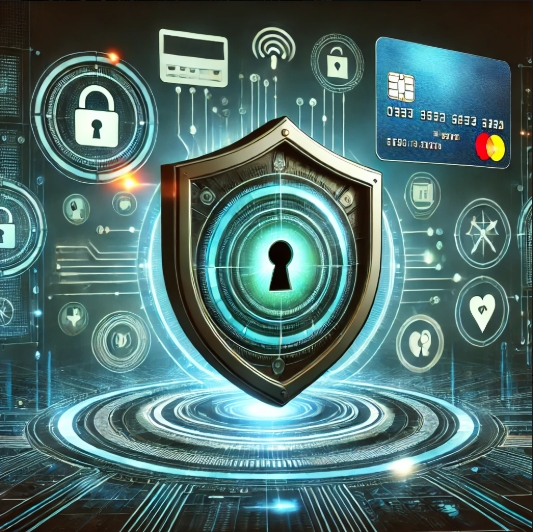
Best Practices for Securing Your Online Transactions in Rwanda
With the rise of digital payments in Rwanda, ensuring the security of online transactions has become a top priority for businesses and individuals. Cyber threats such as fraud, phishing, and data breaches pose significant risks, making it essential to adopt best practices for online security. By implementing proper security measures, Rwandan businesses can protect their customers and build trust in the digital marketplace.
One of the most effective ways to secure online transactions is by using strong authentication methods. Multi-factor authentication (MFA), secure passwords, and biometric verification add an extra layer of security. Additionally, always ensure that websites have SSL certificates (HTTPS) to encrypt sensitive data during transactions. Businesses should also educate their customers on recognizing potential cyber threats to avoid falling victim to scams.
Another crucial step is to keep software and payment systems updated. Cybercriminals often exploit vulnerabilities in outdated software, so regular updates and security patches are necessary. Using reputable payment gateways and secure encryption protocols further enhances protection against unauthorized access and financial fraud. Businesses should also conduct regular security audits to identify and mitigate risks proactively.
Finally, cybersecurity awareness and best practices should be a priority for all online users in Rwanda. Avoiding public Wi-Fi for transactions, verifying the legitimacy of payment platforms, and monitoring account activity can prevent unauthorized access to sensitive information. As digital transactions continue to grow, implementing these security measures will play a vital role in safeguarding Rwanda’s digital economy.